
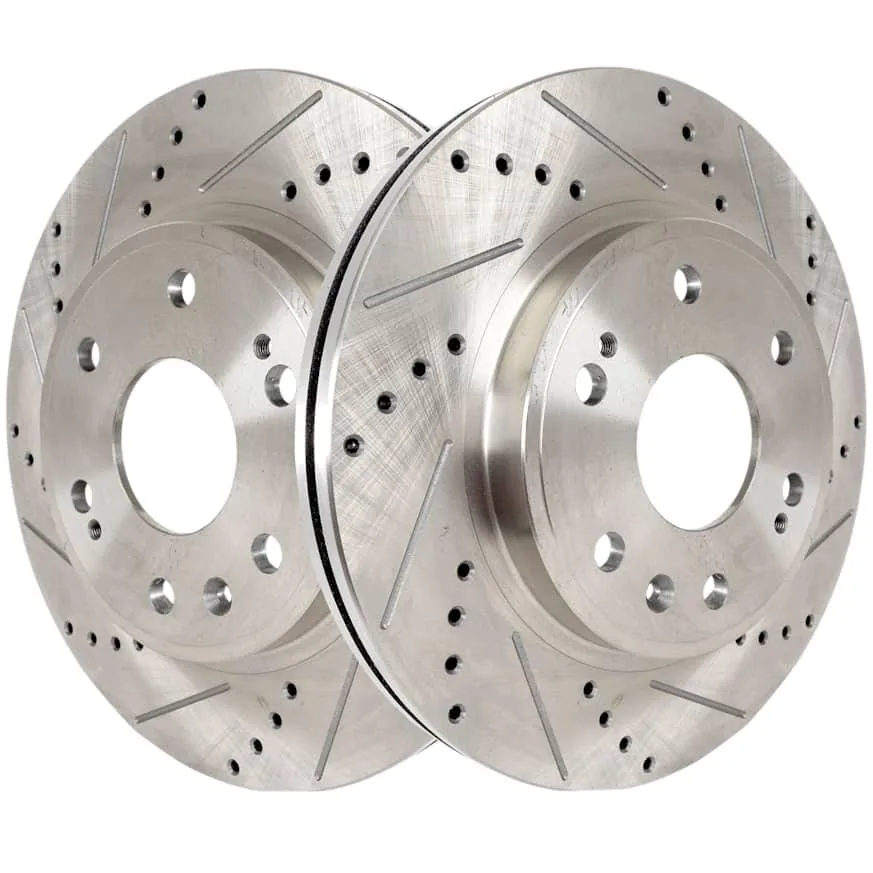
A brake disc is bare cast iron. Left alone in a humid container for six weeks it will rust, and the argument that follows is about whether the rust matters — which depends entirely on where it is.
The rust that matters and the rust that does not
Surface rust on the friction faces is cosmetic. It forms within days of exposure, and the first few brake applications remove it completely. Customers complain about it constantly and it has no effect on the product.
Rust in the hub mounting face is the one that matters. Corrosion or debris between the disc and the hub creates runout, runout becomes thickness variation within a few thousand kilometres, and thickness variation is judder. This surface must be clean at fitting, and it is worth saying so in the fitting note.
Deep pitting anywhere indicates prolonged exposure and is a genuine quality problem, not cosmetic.
Being able to explain this distinction is the difference between a claim and a conversation. Most rust complaints on arrival concern the first category.
Protection options
Oil or wax dip. The cheapest and most common. The whole disc is coated in a rust-preventive oil. It works, it is inexpensive, and it has two drawbacks: it must be cleaned off the friction faces before fitting, and workshops sometimes do not do so properly, which contaminates the new pads. A fitting note specifying degreasing is essential with oil-dipped discs.
Painted non-friction surfaces. The hat, the edges and the vanes are painted; the friction faces are left bare and oiled. Better appearance on the shelf and better protection of the areas that matter, at modest additional cost.
Zinc-flake or similar coating on all surfaces. A thin inorganic coating covering the whole disc including the friction faces. The coating on the friction faces wears away in the first few stops. Excellent corrosion resistance, best appearance, highest cost. Common on higher-specification lines and increasingly expected in markets where discs sit visible behind alloy wheels.
One caution worth knowing: a coated friction face means the first few brake applications have reduced friction while the coating wears off. That is normal and brief, but a customer who brakes hard immediately after fitting will notice it, and it should be mentioned in the fitting note.
Packaging for sea freight
Coating alone is not enough for a six-week voyage through the tropics. A container reaches high internal temperatures and cycles daily, which drives condensation onto every cool surface.
What works:
- VCI paper or film. Vapour corrosion inhibitor releases a compound that forms a protective molecular layer on metal surfaces within the package. Inexpensive and effective, provided the package is reasonably closed — VCI in an open carton does much less.
- Individual wrapping rather than bulk packing. Discs packed face to face without separation rub in transit and abrade whatever coating exists.
- Desiccant in the carton for high-risk lanes.
- Avoiding temperature shock at destination. Cartons brought from a cold container into humid warm air condense immediately. Letting a shipment equalise before opening prevents a batch of discs being wetted at the moment of unpacking.
Settling a rust dispute
The evidence that resolves these:
- Photographs at packing, showing the coating and packaging as shipped.
- Photographs on arrival before unpacking, showing carton condition — water-stained cartons point at transit conditions rather than at the coating.
- Photographs of the affected surfaces, with the hub face specifically shown.
- A cleaned sample. Wiping one disc shows whether the rust is a surface film or actual pitting, and that usually ends the discussion.
Where the rust is surface film on friction faces, the reasonable outcome is an explanation rather than a credit. Where it is pitting or hub-face corrosion, it is a genuine defect. Distinguishing them quickly, with photographs, keeps the relationship intact.
What to specify
For general aftermarket into a temperate market, oil dip with VCI packaging is adequate and cost-effective. For humid or coastal destinations, or where discs will sit in distributor stock for months, painted or coated discs pay for themselves in avoided claims and better shelf appearance. Confirm which surfaces are coated, and get the fitting note right either way.