
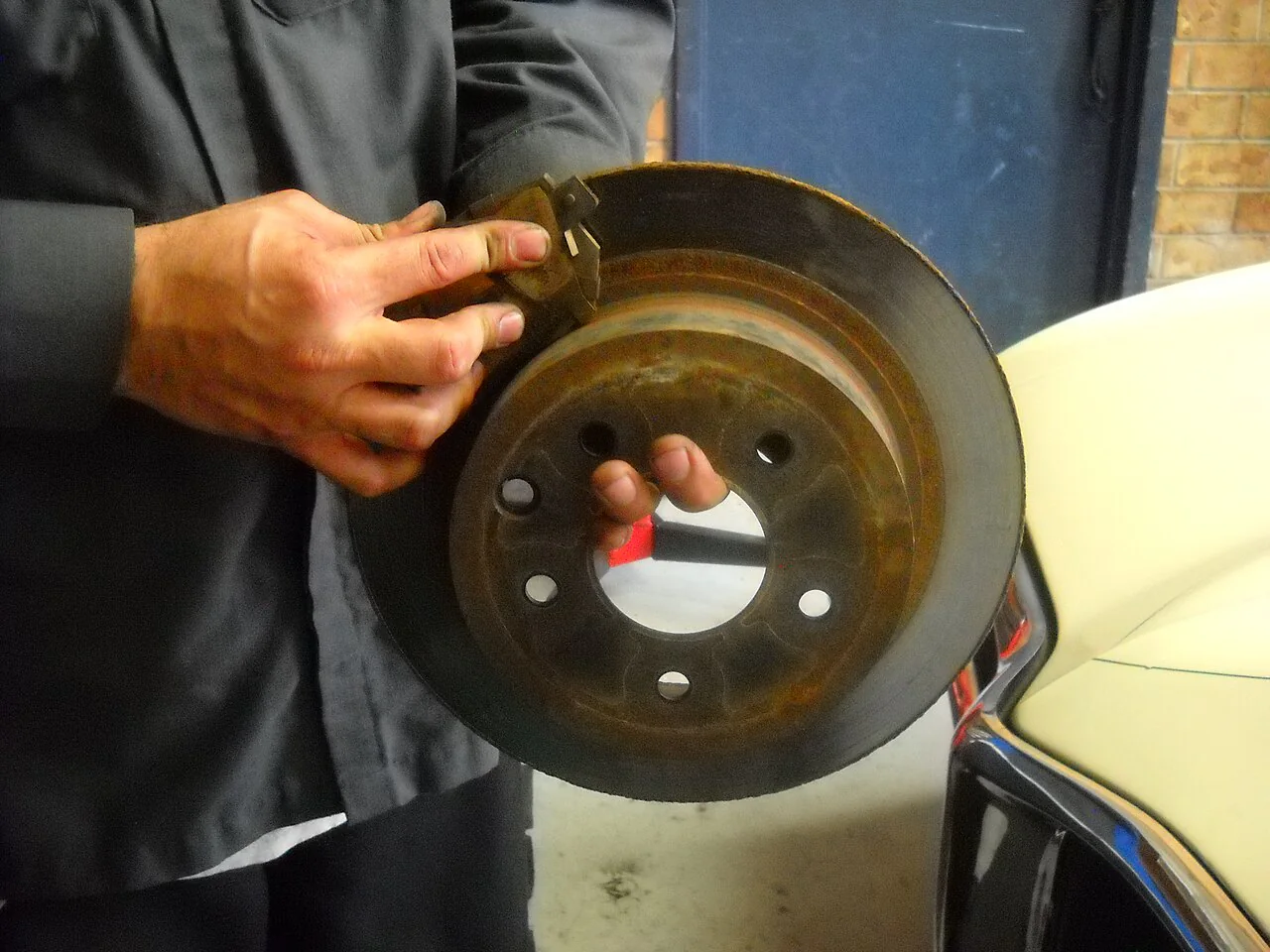
Friction material selection is a trade-off with no winning option. Every property that makes a pad quieter and gentler on rotors also tends to reduce its cold bite or its resistance to fade. Choosing well means knowing which compromise your market will tolerate.
The three material families
Semi-metallic pads contain a high proportion of steel or iron fibre. Strong high-temperature performance, excellent fade resistance under sustained heavy braking, and good value. They are noisier, produce more visible dust, wear rotors faster, and bite poorly when cold. Appropriate for heavy vehicles, towing, mountainous regions, and price-sensitive markets where durability outranks refinement.
Ceramic pads use ceramic fibres with a smaller metallic content. Quiet, low dust that is light-coloured and less visible on wheels, gentle on rotors, and stable across a moderate temperature range. They cost more and their outright high-temperature capability is generally below a good semi-metallic. Suited to passenger cars in markets where wheel cleanliness and noise drive purchasing decisions.
Low-metallic pads sit between the two, using organic material with 10–30% metal. Better cold bite than ceramic, better high-temperature behaviour than fully organic, at the cost of more noise and dust than ceramic. Common as European original equipment, where cold bite is valued.
None is universally better. A ceramic pad in a heavy towing application will fade; a semi-metallic pad on a car sold on refinement will generate complaints about noise and dust from the first week.
Reading the friction coding
Pads carry an edge code with two letters indicating friction coefficient — the first at normal temperature, the second at high temperature. The letters map to coefficient bands, with E around 0.25–0.35, F around 0.35–0.45, G around 0.45–0.55.
A pad coded FF has a consistent coefficient hot and cold. EF gains friction when hot; FE loses it. For most applications FF is the target, because consistent response is what a driver experiences as good brakes.
Two cautions. The coefficient is measured on a test machine under defined conditions, not on your vehicle, so treat it as comparative rather than absolute. And a higher coefficient is not automatically better — a pad with more friction than the vehicle's brake system was designed around upsets the front-to-rear balance and can make the car harder to control, particularly in the wet.
Match the coefficient to what the vehicle originally used. Deviating is a change to a safety system.
What sits behind the friction material
The backing plate carries the load and must resist bending. Thickness and flatness matter; a plate that flexes under pedal pressure produces a soft pedal and uneven wear. Check flatness on samples and check that the friction material is properly bonded — integral moulding, where material is forced through perforations in the plate, resists separation better than surface bonding alone.
Shims control noise by damping vibration at the pad-to-caliper interface. Multi-layer shims — typically steel with rubber or adhesive layers — work considerably better than a single steel plate. Where the original vehicle had shims, pads without them will be noisy regardless of friction material quality. Buyers who select on friction material alone and then field noise complaints are usually missing shims.
Slots and chamfers reduce noise by breaking up the contact patch and easing the leading edge into contact. Cheap to include, effective, and frequently absent on low-cost pads.
Wear indicators — mechanical scrapers or electrical sensors — are required on many vehicles. Confirm the type and whether the sensor is supplied with the pad or separately.
Certification and market access
Brake pads are safety-critical and regulated. Requirements differ by market and generally cover both performance testing and marking of the approved product.
Some markets additionally regulate composition — copper content in friction material is restricted in certain jurisdictions on environmental grounds, with defined thresholds and marking requirements. Check what applies in your destination before ordering, because compliance is designed into the compound and cannot be added afterwards.
Ask for the certificate referencing the specific part number and the specific compound, not a general company certificate. A certificate for one part number does not cover a range.
What to verify on a sample
Measure overall dimensions and friction material thickness against the original. Check backing plate thickness and flatness. Confirm shims are present and match the original type. Verify the edge code is physically marked on the pad. Check that slots and chamfers match. Look at the bond line for gaps or unevenness.
Where volume justifies it, commission a friction performance test on a production sample. This is the only way to confirm that the compound in the delivered goods matches the compound that was approved — and compound substitution between the approved sample and later production is a known failure mode in this category.
Sending an enquiry
Include vehicle applications with year and engine code, the OEM numbers you are matching, preferred friction material family, required certification for your market, whether shims and sensors are needed, packaging requirement, and target quantity per part number.
Send us the application list and destination market and we will confirm which compounds meet the certification requirement there, and quote by material family so the comparison is meaningful.